


Chris here. Between my wedding, honeymoon, and all related matters, I will be pretty busy throughout this month. Because of that, some friends have volunteered to take over this newsletter while I’m away. Today’s piece comes from Bayesian Barn Dance, a writer focused on documenting country music between 1900 and 1960.
This piece is a story about a weird trend that he had noticed. There are lots of brothers scattered throughout the history of country music. Oddly, many of those “brothers” aren’t real brothers. He dives into how this ended up happening. If you enjoy what you read, subscribe to his newsletter Bayesian Barn Dance.
Brothers From Other Mothers: The Curious Geography of Fake Country Siblings
By Bayesian Barn Dance
Part I: The Puzzle
In the discography of early country music, brothers abound. The Allen Brothers, the Dixon Brothers, the Delmore Brothers, the Monroe Brothers. The family harmony duo was one of the defining sounds of the era, and it makes sense. Siblings who had sung together since childhood often possessed an intuitive vocal blend that unrelated performers struggled to replicate. The “brother act” wasn’t merely a marketing gimmick; it was often an acoustic reality. Indeed, the modern genre itself was largely founded on an act (i.e., the Carter Family) specifically billed as a familial unit.
But scattered among the genuine fraternal pairings is a peculiar category of imposters: duos who adopted a shared surname and the “Brothers” designation despite having no familial connection whatsoever. Frank Luther and Carson Robison, two of the most prolific recording artists of the era, appeared on various labels as the Black Brothers, the Harper Brothers, the Jones Brothers, the Luther Brothers, and the Turney Brothers. John McGhee and Frank Welling were variously the Hutchens Brothers, the Markham Brothers, and the Martin Brothers. Lester McFarland and Robert Gardner became the Harper Brothers (a title they shared with Luther and Robison) and the Miller Brothers.
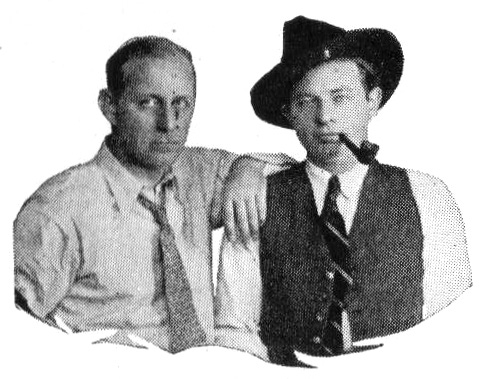
The practice raises an obvious question: Why? What commercial or artistic logic compelled performers and labels to fabricate these fraternal fictions?
But a second, related question, perhaps even more interesting, emerges when one examines the data more closely. These fake brothers were not uniformly distributed across the recording landscape. They clustered, with remarkable intensity, in just two places: New York City and . . . Richmond, Indiana.
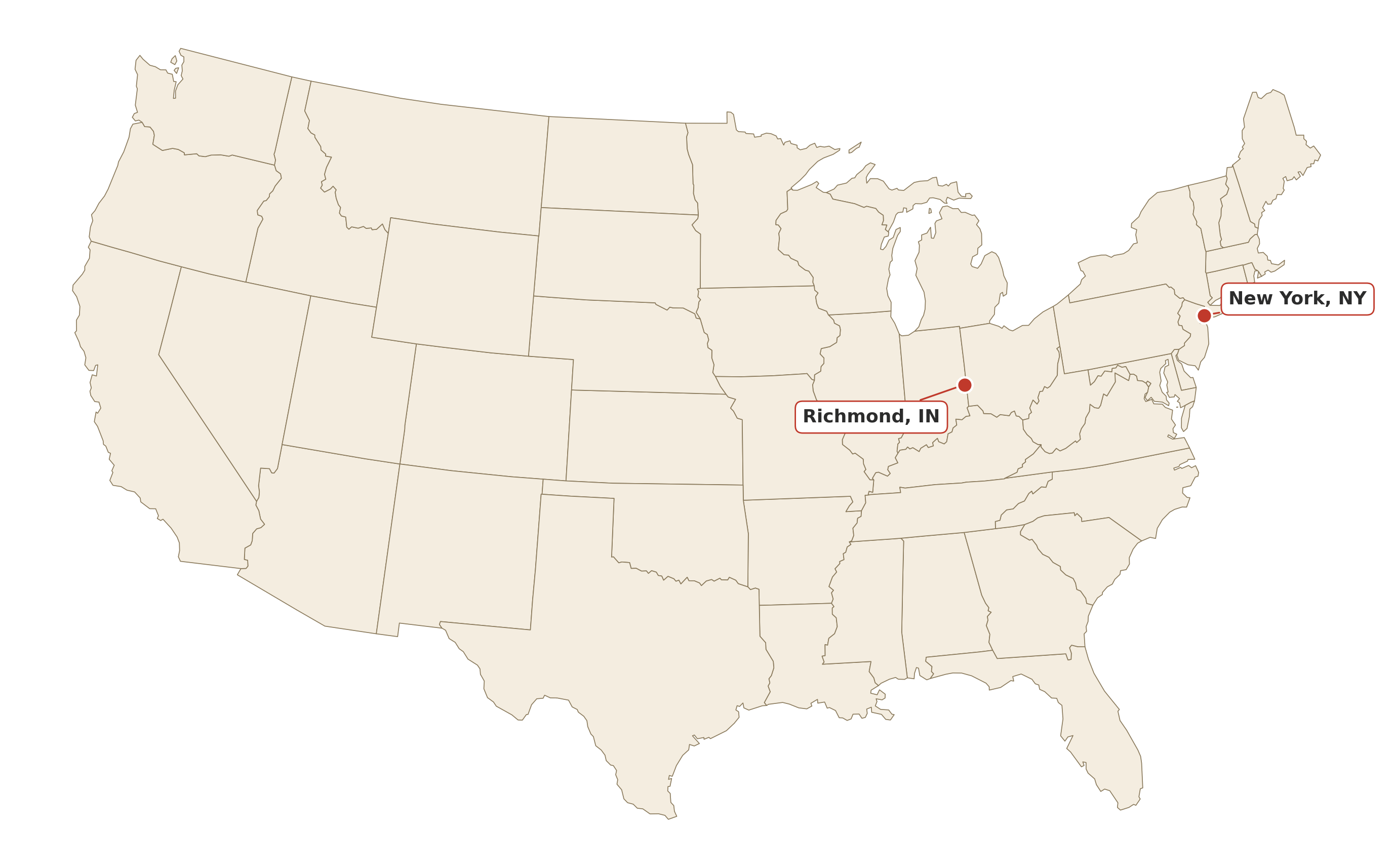
New York’s prominence requires no explanation. It was the center of the American recording industry, home to the major labels and their proliferating subsidiaries. But Richmond, Indiana, a small city in the east-central part of the state, population barely thirty thousand, presents a prima facie puzzle. How did this modest Midwestern town become the second-greatest generator of fake Brothers acts in country music history?
The explanation ends up illuminating something important about how early country records were actually made, sold, and, ultimately, renamed.
Part II: The Data
Before venturing an explanation, it is worth examining the evidence in full. A comprehensive survey of the standard discography of country music from 1921 to 1942 reveals thirty-six distinct “Brothers” acts that were either entirely fictitious (i.e., unrelated performers adopting a shared surname) or real brothers recording under a fabricated surname. When mapped by recording location, the distribution is striking:
New York accounts for twenty-three instances, representing thirteen distinct pairings of performers (with the remainder being alternate “Brothers” pseudonyms for groups already counted).
Richmond, Indiana, accounts for nine instances, representing seven distinct pairings.
Chicago produced two instances, both alternate names for a single duo.
Charlotte and Memphis contributed one instance each.
And that’s it. The concentration is stark. Two cities account for nearly ninety percent of the phenomenon. And while New York’s dominance is proportional to its overall importance in the recording industry, Richmond’s presence is wildly disproportionate to its size, its population, and its place in the broader narrative of American music.
Fake Brothers seemed like one of the little city’s leading industries. Something weird was happening there.
Part III: The Budget Label Ecosystem
The first key to the puzzle lies not in geography but in corporate structure.
The geography of the fake brothers phenomenon turns out to correlate closely with the budget label ecosystem of the 1920s and early 1930s. During this era, a handful of parent companies pressed records for a bewildering array of subsidiary imprints, store brands, and licensed labels. The American Record Corporation alone supplied masters to Banner, Melotone, Oriole, Perfect, Romeo, Conqueror, and numerous others. A single recording session might yield pressings sold under half a dozen different label names, marketed through department stores, mail-order catalogs, and five-and-dime shops.
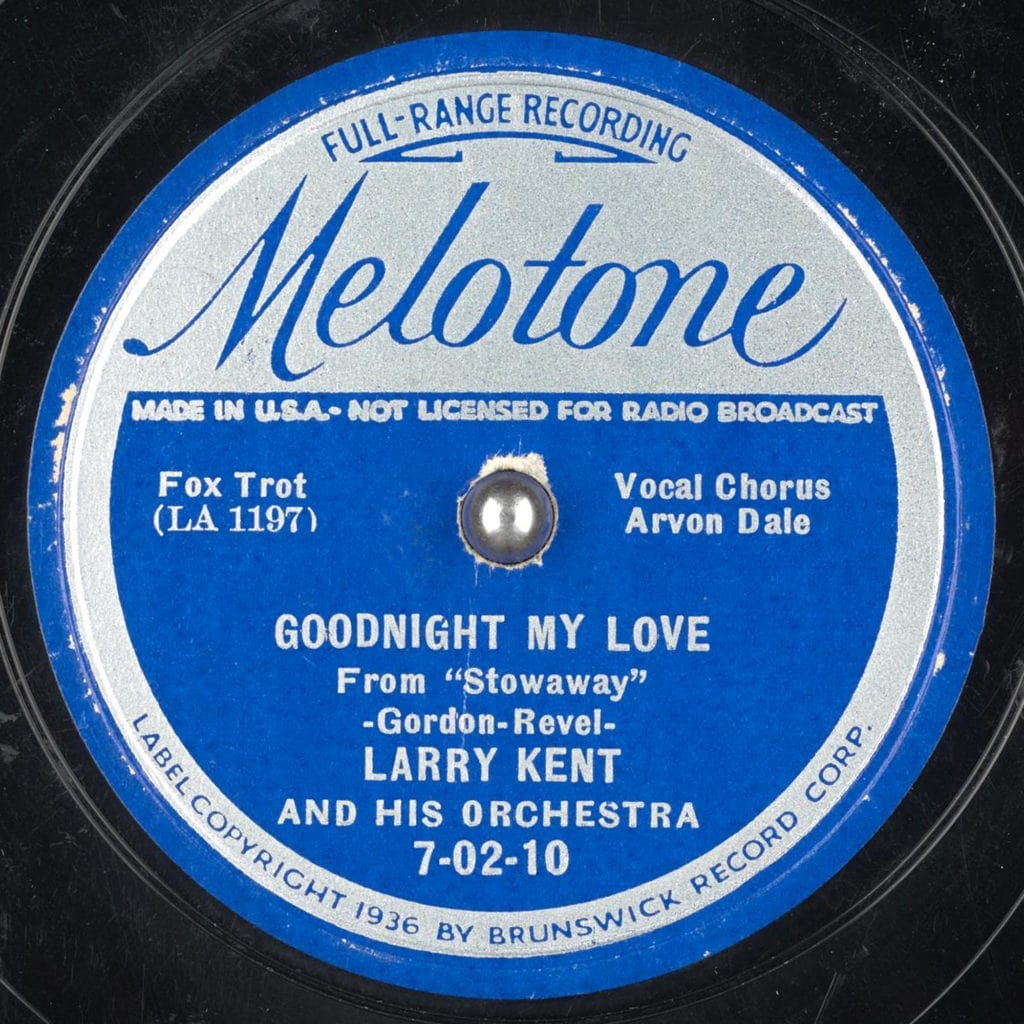
This commercial structure created a peculiar problem. If Sears customers could recognize that the “Hutchens Brothers” on their Conqueror label were the same performers as the “Martin Brothers” on the Broadway label at the local store, the value of each imprint would be diminished. The budget label ecosystem thus required a steady supply of pseudonyms. Not to deceive consumers, exactly, but to maintain the useful fiction that each label offered its own distinct catalog. So yeah, maybe to deceive the consumers just a little.
The practice of using pseudonyms extended to all genres, but “Brothers” designations supplied a particularly obvious solution to the problem with respect to duos in the country music genre. A couple guys already performing together could easily be rechristened with nothing more than a new shared surname. Much like in a moment of religious conversion, the performers became brothers simply by virtue of the act.
The New York recordings scattered across the ARC family (Broadway, Melotone, Velvet Tone, Crown), alongside OKeh, Brunswick, Paramount, and others. The major labels that prioritized artist development and brand-building, Victor and Columbia, are nearly absent from the data. Victor appears only twice, and in both cases the recordings were also issued on Montgomery Ward, a mail-order catalog client rather than a true Victor imprint. Columbia does not appear at all. The fake brothers, in short, were not a marketing strategy for building stars. They were an accounting necessity for filling catalogs.
Even the two southern recordings in the dataset, the Brown Brothers in Charlotte (1936) and the Andrews Brothers in Memphis (1939), conform to the basic pattern. The Charlotte session was released on Montgomery Ward and Bluebird, the latter being RCA Victor’s budget imprint. The Memphis session appeared on Vocalion and OKeh, both by then ARC/Columbia properties.
In each case, the southern session was feeding into the northern corporate structure that generated pseudonyms. The recordings were made in the south, but the naming conventions were dictated by the same budget label logic that governed New York and Richmond. The brothers were not born in the recording studio. They were born in the home office, when a catalog needed to be filled and a new name needed to be invented.
Part IV: The Gennett Factor
That’s a big part of the story, but it can’t be the whole thing. It pays to take a closer look at Gennett in Richmond.
Gennett Records, operated by the Starr Piano Company, was indeed a budget-oriented operation with an extraordinary proliferation of subsidiary imprints. Its studio in Richmond fed masters not just to Champion, but also to Supertone, Superior, Challenge, Silvertone, and various store brands. The need for pseudonyms was acute.
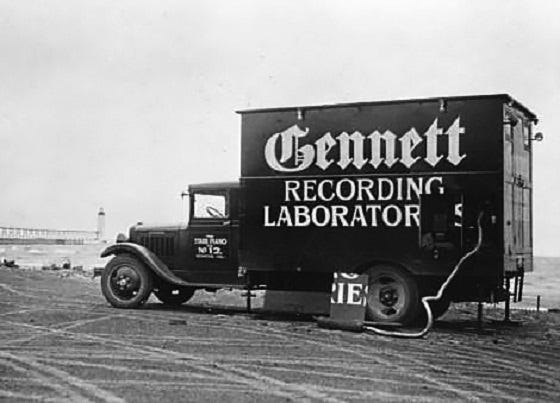
So acute, in fact, that a Gennett employee of the period named Clayton Jackson reported resorting to the phone book, the city directory, and even the names of friends or relatives as sources for pseudonyms. The renaming practice was so profligate there that the performers themselves were sometimes not even informed of the new names.
But while Gennett had to supply a particularly large number of imprints, it was not unique in this regard. The American Record Corporation’s New York operation had a comparable stable of imprints to supply. Paramount, based in Wisconsin, participated in a smaller but similar ecosystem of sister labels and store brand distribution. And the major labels conducted extensive field recording throughout the South, in places like Atlanta, Dallas, San Antonio, and New Orleans, that fed into their own budget subsidiaries.
Yet Atlanta, arguably the most important Southern recording center for early country music, produced not a single fake brothers act in the entire discography. Ralph Peer and Frank Walker conducted landmark sessions there. The masters from those sessions eventually appeared on budget imprints. But the practice of fabricating brother acts apparently did not travel south with the recording equipment.
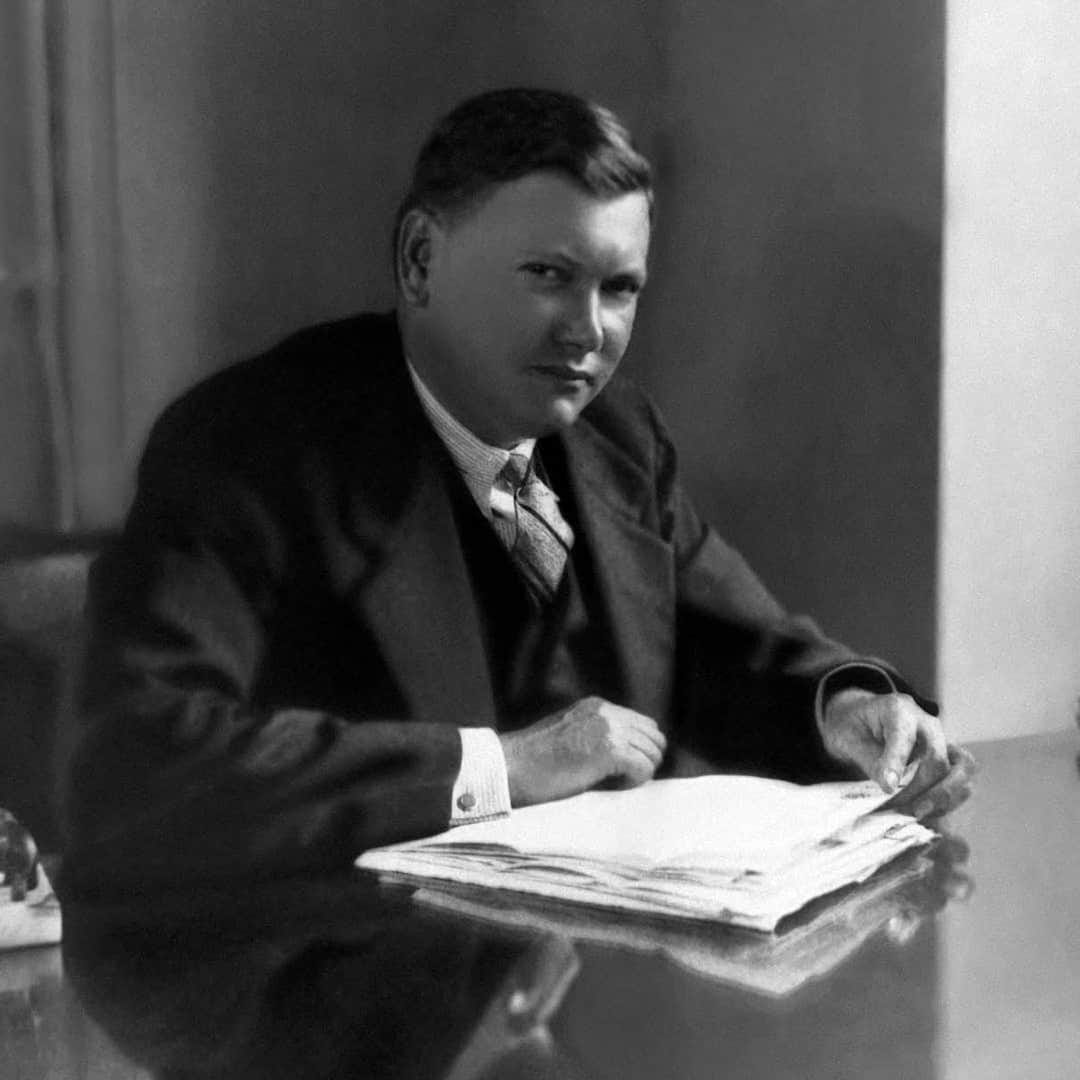
The phenomenon was thus not merely a function of budget labels; it was a function of specific budget labels, operating in specific ways. Several factors may account for Gennett’s disproportionate contribution. The sheer number of imprints requiring distinct artist names may have exceeded even ARC’s substantial appetite. As noted, Gennett was an operation that literally had to peruse phone books to keep up with the need for its pseudonyms.
Gennett’s market position, unable to compete with Victor or Columbia for exclusive contracts with major artists, may have oriented the company toward volume rather than star-building, making pseudonyms more necessary. And the specific practices of Gennett’s A&R personnel, or the relationships between the Richmond staff and their regular performers, may have normalized the pseudonym game in ways that differed from its competitors.
Perhaps the Atlanta sessions drew on a different pool of performers, less amenable to pseudonymous rebranding. Perhaps the A&R personnel working those sessions had different instincts or instructions. Perhaps it was simple path dependence: Once a practice becomes entrenched in one location, it perpetuates itself, while locations that never adopted it see no reason to start.
The Atlanta silence stands as a reminder that corporate structure alone need not dictate cultural practice. The fake brothers required both the business incentive and the institutional habit. Richmond had both. Atlanta, it seems, had only the former.
Coda: The Accidental Brothers
When I started pulling together a list of these fake Brothers acts, I expected to tell a different story.
The Brothers convention was one of the defining features of early country music, and for good reason. Audiences responded to the image of family harmony, the suggestion of voices blended since childhood, the wholesome resonance of kin singing together. I assumed that unrelated performers, recognizing this commercial appeal, would sometimes have adopted fraternal branding as a deliberate artistic choice; a marketing persona, akin to the “rambling” or “lonesome” appellations that sometimes signaled genre authenticity for solo acts. I anticipated a story about aesthetics and genre conventions, about duos crafting a family facade to participate in the themes and tropes of a family-focused tradition.
That story does not appear in the data.
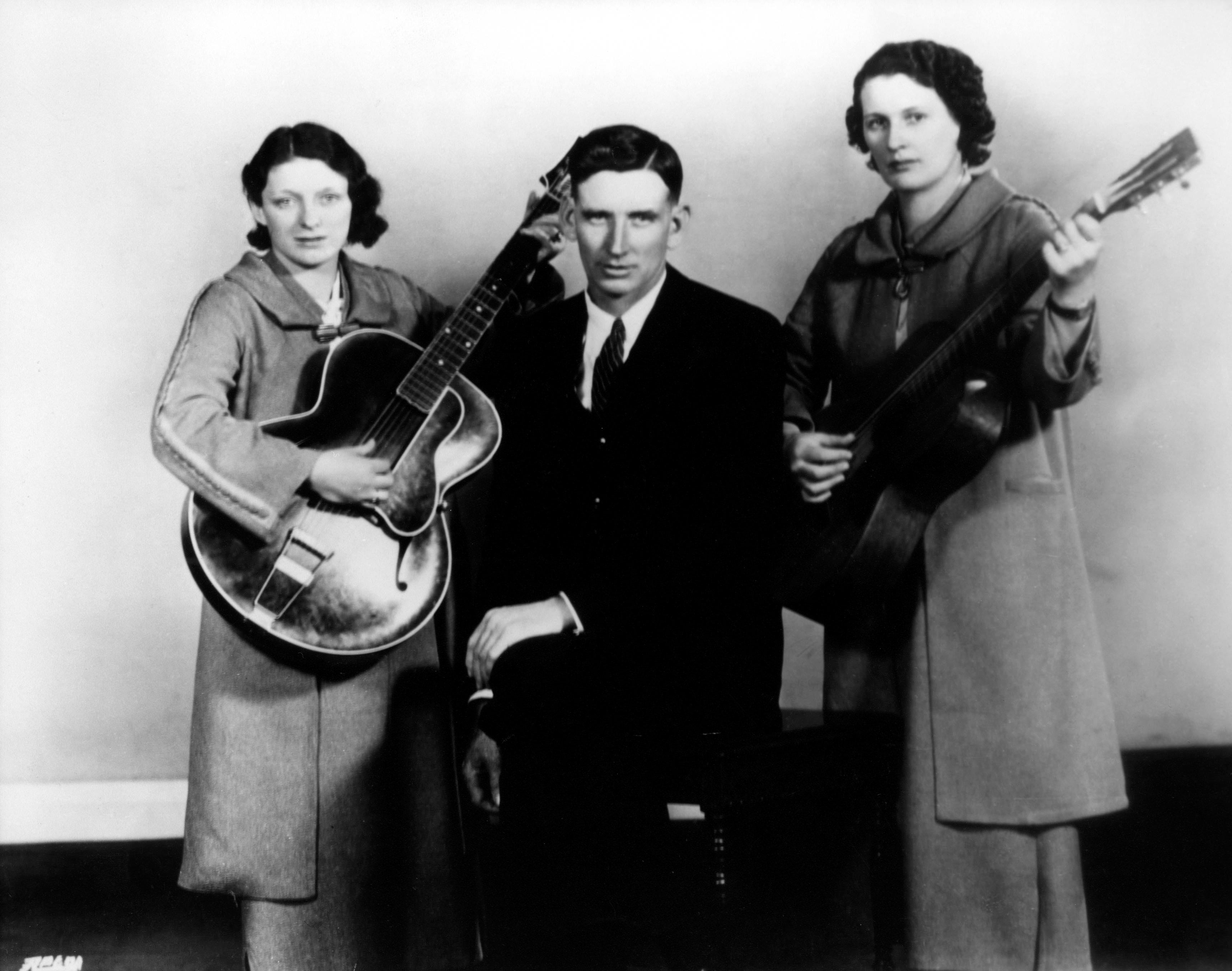
If performers had been independently adopting fake brother names for artistic reasons, the phenomenon should have been scattered across the recording landscape: some duos in Atlanta over here, a handful over there in Dallas, a sample wherever performers were trying to position themselves in the market. Instead, the fake brothers cluster almost exclusively in two cities associated with budget label reissue practices. The Southern field recording centers, where performers had every incentive to adopt marketable personas, produce virtually nothing.
At the end of the day, the fake brothers were not trying to be brothers. They were simply being renamed, their identities swapped out by catalog editors in New York or Richmond who needed to fill a slot on a different imprint. The fraternal fiction was not art. It was paperwork.
Appendix: The Fake Brothers in Country Music, 1921-1942
A comprehensive list of fake “Brothers” acts assembled from Tony Russell, Country Music Records: A Discography, 1922-1942 (Oxford University Press, 2004). The list includes “Brothers” acts that were either entirely fictitious (unrelated performers) or real brothers recording under a fabricated surname. It excludes “mixed” acts (i.e., those including any pair of real brothers along with non-family members.)
Andrews Brothers (James Andrews & Joshua Floyd Bucy): Memphis, 1939. Released on Vocalion and OKeh.
Arnold Brothers (pseudonym for the Kessinger Brothers, actual brothers): New York, 1929. Released on Aurora.
Austin Brothers (pseudonym for Frank & James McCravy, actual brothers): New York, 1930. Released on ARC-Broadway.
Black Brothers (Frank Luther & Carson Robison): New York, 1928. Released on OKeh.
Brothers Bertini (pseudonym for Len & Joe Higgins, actual brothers): New York, 1928. Released on Japanese Columbia, Australian Regal, Regal Zonophone, English Regal.
Brown Brothers (Boyce Brown & Everett Eckerd): Charlotte, 1936. Released on Montgomery Ward and Bluebird.
Burnett Brothers (Bob Miller & Barney Burnett): New York, 1932. Released on Victor and Montgomery Ward.
Caldwell Brothers (pseudonym for the Sweet Brothers, actual brothers): Richmond, Indiana, 1928. Released on Supertone.
Charles Brothers (Phil Reeve & Ernest Moody): Chicago, 1928. Released on Paramount.
Clark Brothers (pseudonym for the Sweet Brothers, actual brothers): Richmond, Indiana, 1928. Released on Champion.
Collins Brothers (pseudonym for the Gentry Brothers, themselves a pseudonym for Lester McFarland & George Reneau): New York, 1927. Released on Paramount.
Colt Brothers (Arthur Fields & Fred Hall): New York, 1931. Released on Velvet Tone.
Cramer Brothers (pseudonym for the Gentry Brothers / McFarland & Reneau): New York, 1927. Released on Broadway.
Cruthers Brothers (Smith Ballew & Saxie Dowell): New York, 1929. Released on OKeh.
Gentry Brothers (Lester McFarland & George Reneau): New York, 1927. Released on multiple labels.
Greene Brothers (Arthur Fields & Fred Hall): New York, 1930. Released on OKeh and Parlophone.
Halliday Brothers (pseudonym for the Gentry Brothers / McFarland & Reneau): New York, 1927. Released on Homestead, Jewel, and Oriole.
Harper Brothers (pseudonym for both Frank Luther & Carson Robison on Brunswick, and Lester McFarland & Robert Gardner on Supertone): New York, 1930. Released on Supertone.
Hawkins Brothers (Bert Hirsch & Tony Colucci): New York, 1928.
Herman Brothers (pseudonym for the Hobbs Brothers): New York, 1928. Released on Broadway.
Herman Brothers (Bert Hirsch & Tony Colucci): New York, 1928. Released on Broadway.
Hutchens Brothers (pseudonym for John McGhee & Frank Welling): Richmond, Indiana, 1927. Released on Champion, Decca, Montgomery Ward.
Jennings Brothers (pseudonym for the Tweedy Brothers, actual brothers): Richmond, Indiana, 1928. Released on Champion.
Jones Brothers (pseudonym for Vernon Dalhart & Carson Robison, or Carson Robison & Frank Luther): New York, 1926. Released on Melotone, Polk, Panachord.
Keawe Brothers (James Brown & Ken Landon, pseudonym for the Two Islanders): Richmond, Indiana, 1931. Released on Superior.
Luther Brothers (pseudonym for Carson Robison & Frank Luther): New York, 1931. Released on Crown.
Mack Brothers (pseudonym for Frank & James McCravy, actual brothers): New York, 1935. Released on Decca.
Markham Brothers (John McGhee & Frank Welling): Richmond, Indiana, 1927. Released on Challenge.
Martin Brothers (John McGhee & Frank Welling): New York, 1929. Released on Paramount and Broadway.
Miller Brothers (Lester McFarland & Robert Gardner): New York, 1926. Released on Aurora.
Norris Brothers (Walter Smith & Norman Woodlief): Richmond, Indiana, 1929. Released on Supertone.
Phillips Brothers (pseudonym for the Charles Brothers / Phil Reeve & Ernest Moody): Chicago, 1928. Released on Broadway.
Rankin Brothers (Leonard Rutherford & John Foster): Richmond, Indiana, 1929. Released on Conqueror.
Saxton Brothers (Gwen Foster & David Fletcher): Richmond, Indiana, 1930. Released on Superior.
Turney Brothers (Frank Luther & Carson Robison): New York, 1928. Released on Victor and Montgomery Ward.
Wiggins Brothers (Al Bernard & James O’Keefe): New York, 1928. Released on Brunswick.
Wright Brothers (pseudonym for the Kessinger Brothers, actual brothers): New York, 1929. Released on Melotone, Minerva, Polk, and Vocalion.
Want more stories like this? Subscribe to Bayesian Barn Dance, a newsletter focused on “empirical research on the history of American country music, generally around 1900-1960.”
Want more from Chris Dalla Riva? Get a copy of his debut book, Uncharted Territory: What Numbers Tell Us about the Biggest Hit Songs and Ourselves.

This is the most niche thing I have ever seen this newsletter publish. And THAT is saying something.
Apparently Dan Aykroyd wrote a whole back story about how Jake and Elwood came to be "brothers."