


If you watch any music industry-related content online, you’ve probably come across Liz Kamlet. Often seated in front of a wall of gold records, Kamlet doles out invaluable music industry advice for free. And she has the street cred to back it up. As the CEO of Windsong Entertainment, she’s worked with everyone from Eric Clapton and Phil Collins to Jimmy Webb and her husband, Stephen Bishop.
Over an hour, Liz and I chatted about why most artists are wrong to sell their publishing, how sync licenses can change your life, Stephen Bishop’s upcoming farewell tour, and so much more. If you want more from Liz, follow her on social media or pick up a copy of her book.
I first came across you doling out music industry advice to artists on TikTok and Instagram. What compelled you to share such high quality advice for free on the web?
Before COVID, I had a pretty extensive team and they would tell me, “You give boring, helpful information.” They said I should share that information online. But I didn’t like being in front of a camera. I was a behind the scenes person. I was a tour manager for years. I was a photographer. I’ve got stage fright. But I posted a video and it took off. From there, I would just post about the things people asked me.

 Tiktok failed to load.
Enable 3rd party cookies or use another browser
There are so many people trying to scam young artists that quality advice is worth its weight in gold.
It is.
I know you have a book out. It shares a title with what I think is your catchphrase: Guard Your Publishing. Why are you always telling people that they need to protect their publishing?
About eight years ago, I got into catalog sales. Many legacy artists would reach out to me and ask if they should sell. I would always tell them not to. Copyright lasts a long time. Unless a hedge fund or private equity firm was offering a 90x multiple, I didn’t think it was worth it. You could pass those copyrights down to your kids.
When you sell, you lose control. Neil Young was mad that the NFL was using one of his songs in a commercial. But he couldn’t do anything. He sold. Maybe the most egregious example is “My Way.” It was written by Paul Anka. Now, when I hear it, all I think about is poop. It was in a poop commercial for years after Anka sold. Sinatra would be rolling over in his grave.
I often feel like the flood of music biopics and classic song syncs are just these investors trying to get a return.
I represent Jack Tempchin. He worked with the Eagles, writing songs like “Peaceful Easy Feeling” and “Already Gone.” But they were all cowrites. Glenn Frey never sold. If Jack sold, the Frey family would have to deal with a private equity firm for the rest of their lives.
Have any of the sales made sense to you?
Only Bob Dylan. His pre-1976 songs are only protected for 95 years. Everything after that is life plus 70 years. So, you only have like 35 years left on those big, 1960s songs. He got a multiple of 26. That’s a pretty good return.
You’ve worked with many legendary artists over the years. Can you tell me a bit about how you got into the industry and found yourself in such rarefied circles?
My dad is a business manager and financial advisor. He worked with some pretty big actors and singers, like James Taylor and Jackson Browne. I started doing photography when I was 14, and we would go to parties and I would get to interact with all of these people. So, I got started in tour photography and social media marketing very young.
From there, I got degrees in history and music technology from University of Colorado, Boulder. I think got my masters in music industry administration from Cal State Northridge and UCLA. They had a dual master’s degree program.
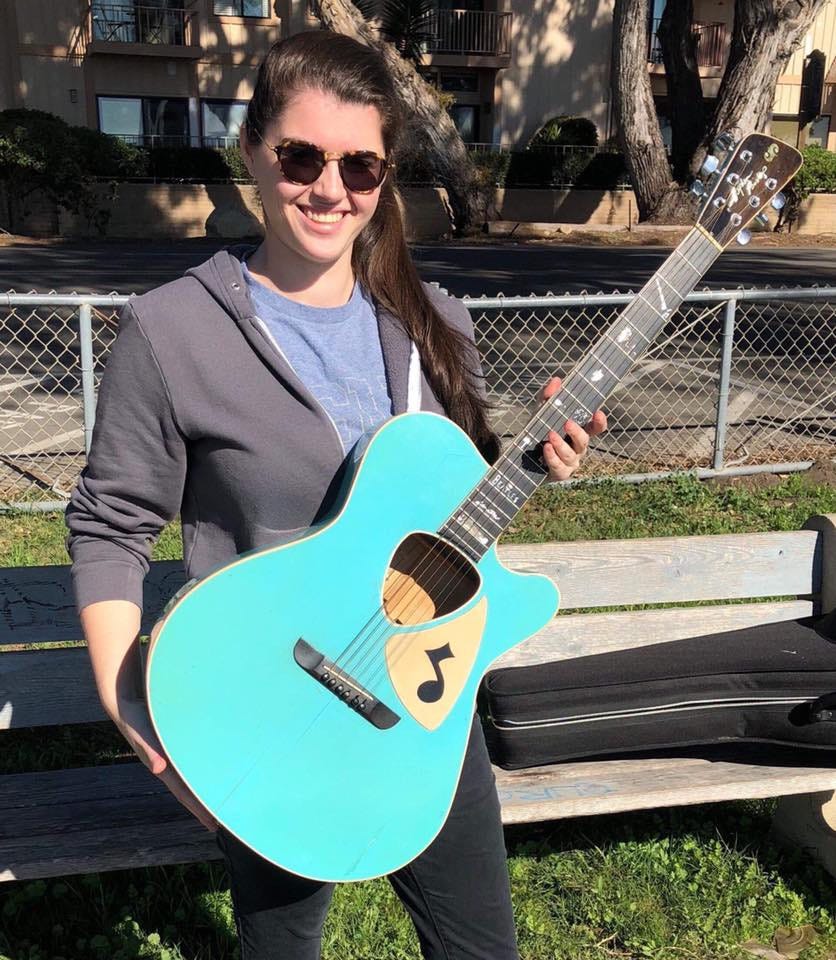
After that I moved to Montecito. My dad had a house there, and he said, “I’m going to give you one month free, and then you have to pay me $5,000 a month in rent.” As a 21-year-old, that was crazy. My dad wanted me to struggle. So, I went up to the Santa Barbara Bowl and I said, “Hey, do you guys need a photographer?” I showed them my portfolio and became the house photographer. I got to work with Kenny Loggins and a bunch of other people.
Around 2017, Pat Metheny and Kenny Loggins told me, “Hey, there’s this guy playing at the Catalina Jazz Club in Los Angeles. You should go see him.” So, I go down on my day off. I get a $100 ticket, which was very expensive for me. I look up this guy and he has Grammy and Oscar nominations. His songs have sold 100 million records for other people. He’s sold 15 million himself. I was like, “Why is he playing this dumpy club?” It was a small stage, and it was half full.
He gets on the mic for a mini intermission and is saying how he has all these CDs but no one buys CDs anymore. It was sad. So, I decided to do something crazy. I went and bought every CD he had with an emergency credit card. I wanted to get his attention, so I could talk to him.
 Tiktok failed to load.
Enable 3rd party cookies or use another browser
So, I meet him, and he signs the CDs. He’s asking if I am going to sell them on eBay or something. Afterwards, I took a picture of all the CDs and went to tag him but he had nothing. No social media. No Spotify. All I could tag was his personal page. He then reached out to me. I didn’t have much interest in getting together until Kenny Loggins told me they wrote a song together in the 1980s. His name was Stephen Bishop.
So, we met. I started doing some work for him. I set him up on social media. Fixed up his website. We eventually got married. That was about 10 years ago. Now, we have a two-year-old kid. Stephen has connected me with many of his friends over the years, like Jimmy Webb and J.D. Souther. I’ve worked with Phil Collins, Eric Clapton, the Eagles, and so many other people across touring and ticketing. Since COVID, I’ve just focused on social media marketing management.
You’ve interacted with lots of big name artists. What was the biggest pinch me moment for you?
You would think it would be Eric Clapton, but he was at the house a lot, so I was used to it. Paul McCartney had me starstruck, though. Stephen was giddy to meet him backstage in Vegas. And he knew who Stephen was!
With your decade of experience and your knowledge of Stephen’s career, how has managing publishing changed?