


If you enjoy this newsletter, consider ordering a copy of my debut book, Uncharted Territory: What Numbers Tell Us about the Biggest Hit Songs and Ourselves. It’s a data-driven history of popular music covering 1958 to 2025.
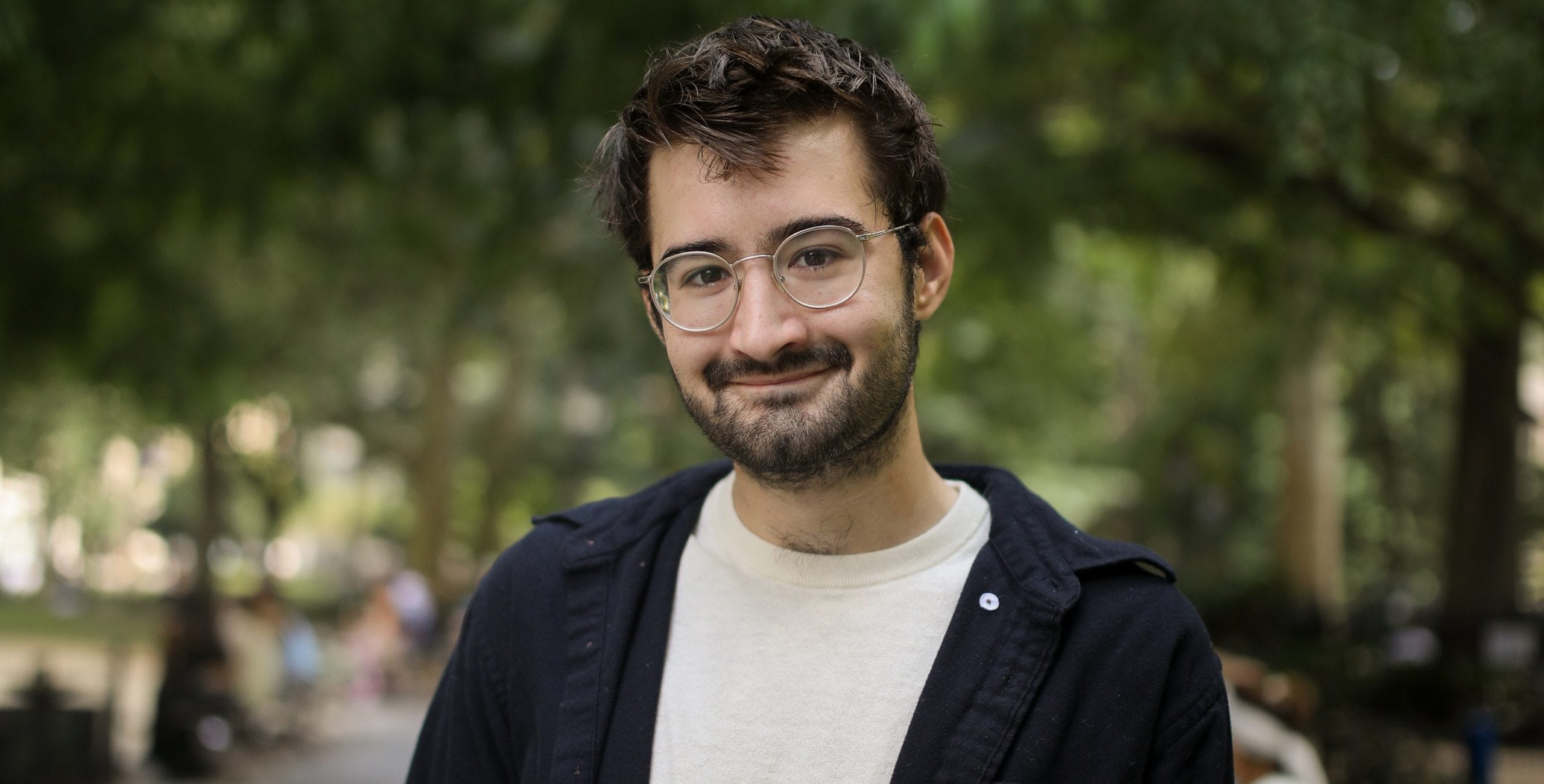
This week, I’m talking to Adam Aleksic. Aleksic is better known online as the Etymology Nerd, the name under which he posts videos about inventing languages, starting cults, internet accents, and (of course) the origin of words (i.e., etymology). Earlier this year, Aleksic released his first book Algospeak, a fascinating read where he breaks down how online platforms change the way we speak and think. We sat down to talk about the book and how social media has changed music.
I love this inherent contradiction in much of your work in that you have made a name for yourself by posting on social media, while also noting the dangerous or damaging effects of social media and curation algorithms. Let’s talk about both sides. First, in broad strokes, what benefits do you think social media apps like TikTok provide?
All tools have pros and cons. It's weird to me when people monolithically say, “This is bad or this is good.” There are incredible things to these platforms. Though it's still all under the auspices of what will get attention for these platforms, they do elevate voices that have not had a chance to be heard before because of institutional gatekeeping. Of course, there are downsides too.
That was going to be my follow up. What are the downsides?
When a machine organizes your experiences for you, you lose that meta-meaning of ordering that comes with curation. Things are presented with equal weight, which I think can be damaging. A video about a war is weighted the same as a video about a puppy. That’s strange to me. It’s also designed to be disorienting and addicting, so you don’t even remember the video two scrolls before.
I’m fascinated that music and social media have always been connected. Of course, TikTok was most known for dancing and lip-syncing videos at the outset, but the connection goes back much further. Early Facebook had a Spotify integration. MySpace was crucial for breaking artists in the early 2000s. Why do you think social media companies tend to utilize music as a growth mechanism in their early years?