


I’ve got a bonus edition of the newsletter for you this week from my friend Stephen Harrison. Harrison has spent years writing about Wikipedia and also authored a great novel called The Editors focused on contributors to a free online encyclopedia.
Given his background, I was telling him how in chapter eight of my forthcoming book that I used data from Wikipedia to argue that the music of the late 1980s is being forgotten much faster than that released in the earlier part of the decade. Harrison decided to do a deep dive into this claim for me. If you enjoy this, check out his newsletter and buy a copy of his book.
The Surprising Link Between Billboard #1 Hit Songs and Wikipedia
By Stephen Harrison
Over the past eight years of covering Wikipedia, I’ve written about how the free internet encyclopedia both reflects statements made in reliable sources and reveals what topics have been deemed culturally significant.
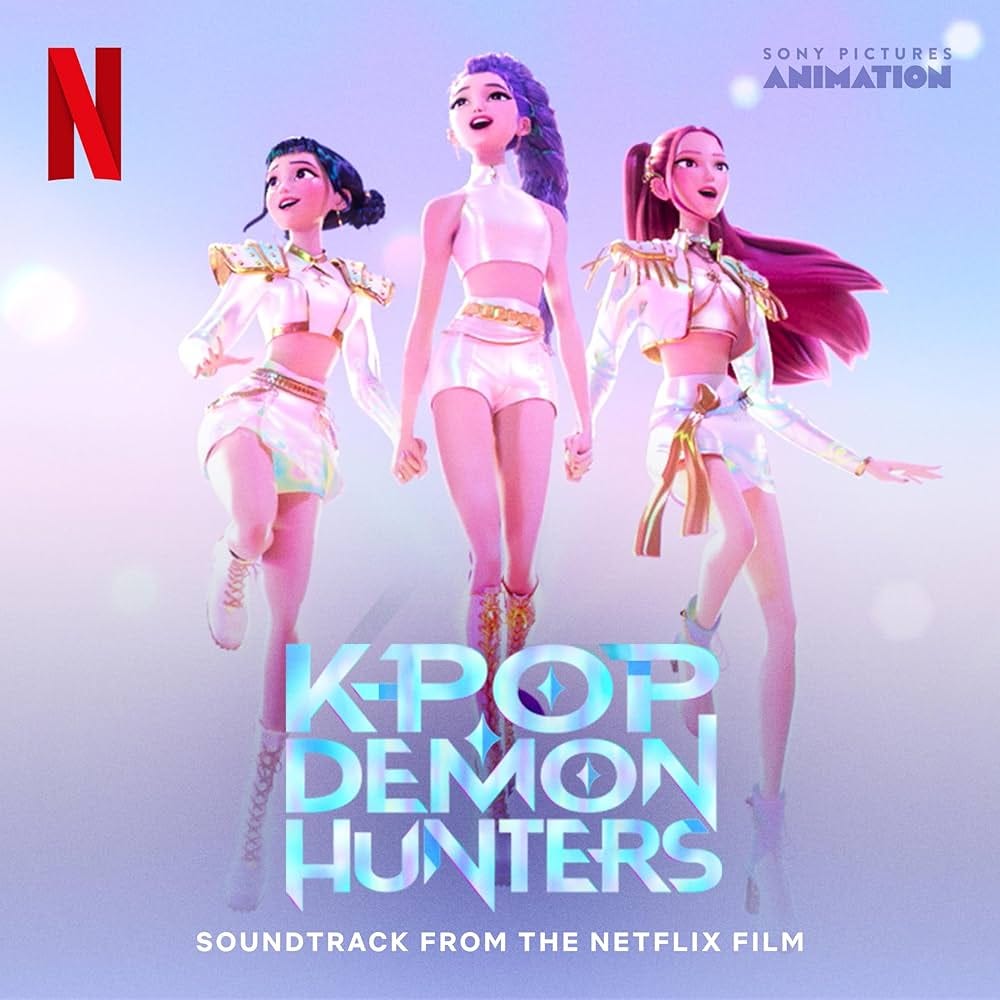
Take the Netflix movie KPop Demon Hunters. When it premiered on June 20, its Wikipedia article was on the shorter-side, supplying the cast list and a few early reviews. Fast-forward to today: the current page runs more than 10,000 words, with a sprawling plot summary, sections on themes and public reception, and 104 citations. Last month, the article got nearly 2.3 million page views. As the movie took off in popular culture, becoming Netflix’s most-watched film, the Wikipedia page followed suit.
If that’s how it works for a movie musical in 2025, does the same dynamic apply to historical pop songs?
That’s one of the questions posed by music writer (and fellow Substack author) Chris Dalla Riva. For his forthcoming book, Uncharted Territory, he listened to every single Billboard #1 song, built a massive dataset, and turned it into a data-driven history of popular music from 1958 to 2025.
Throughout the book, Chris explores one of his personal theories: Pop songs from the late 1980s have left a much smaller cultural footprint than those from the first half of the decade.
To test this, Chris turned to Wikipedia, comparing the size of the respective Wikipedia articles and the traffic they receive. (In other words, the KPop Demon Hunters analysis described above.)
It turns out that early ’80s songs like Blondie’s “Rapture” (1981), Michael Jackson’s “Beat It” (1983), and Madonna’s “Like a Virgin” (1984) tend to have long and well-trafficked Wikipedia pages. By contrast, later ’80s hits like Richard Marx’s “Satisfied” (1989) suffer from shorter entries and fewer page views. The pattern suggests that early ’80s songs indeed loom larger in our cultural memory.
The People Behind the Pages
I decided to push Chris’s investigation further by talking to the people who actually compile these Wikipedia articles for #1 hit songs. Some of my sources provided their real names, but a few asked me to stick to usernames, so I’ve gone with usernames throughout for consistency.
Despite the Harry Potter-influenced handle, Dobbyelf62 spends little time on wizarding pages. Instead, they devote their energy to music articles, including Fleetwood Mac’s “Dreams.” Over time, Dobbyelf62 and other editors layered in references, chart data, and additional context. But even old hit songs can have dynamic Wiki pages. “When songs experience a resurgence in popularity, often due to an internet meme or viral meme, an issue arises on how to incorporate this information into the article without giving it undue weight and succumbing to recency bias,” Dobbyelf62 told me. Case in point: “Dreams” shot back onto the charts after it was featured in a TikTok clip of a man skateboarding while drinking Ocean Spray—a fact that is now mentioned in the article’s lead section.
Other editors keep editing the same song for years. User Synthwave.94 first edited “Billie Jean” because it was their favorite song, then kept back as they learned new things, adding certifications, categories, and sources over the next decade.
User Hzh, who worked on Cutting Crew’s 1987 hit “(I Just) Died in Your Arms,” told me fans often try to slip in unsourced tidbits or original research. Then there are the “genre warriors” who spar endlessly about how to categorize certain tracks and sometimes earn bans for poor behavior.

And then there’s Binksternet, a user who helped expand Steve Winwood’s “Higher Love.” Binksternet got involved with this page after improving the Wikipedia article for John Robinson, the session musician who plays the drum solo at the start of the 1986 hit song. “I actually communicated with JR regarding his wiki bio, which was a fun experience,” Binksternet told me.
I find Winwood’s “Higher Love” to be interesting because it is an exception to Chris’s general rule about the second half of the ’80s. The article remains unusually popular for a late 1980s song, continuing to draw traffic. In fact, the page views spiked to several thousand per day in August 2019. The most likely explanation is that the electronic artist Kygo released a cover version in 2019 that incorporated Whitney Houston’s vocals and introduced the song to a new generation of listeners.
This exception illustrates one of Chris’s main points in the book that cultural memory evolves. The piece of content that looks forgotten today can return tomorrow with the right remix or spotlight of attention.
Want more from Stephen Harrison? Subscribe to his newsletter and buy a copy of his excellent novel, The Editors.
Want more from Chris Dalla Riva? Buy his forthcoming book, Uncharted Territory: What Numbers Tell Us about the Biggest Hit Songs and Ourselves.
I have a possible explanation for why Steve Winwood’s Higher Love remains so popular. It really is an amazing track. I first noticed it when it was featured in the It’s Always Sunny in Philadelphia episode “Sweet Dee Gets a Heart Attack.” In that episode, Dennis brings a Steve Winwood CD to the gym because he can’t stand the music they play there. Winwood keeps getting mentioned in connection with his character, and the whole thing is just epic. It's season 4, I believe.
Thank you, Chris, for sharing my piece.
P.S. You've built such a cool community of readers, interested in both data-driven analyses and music history. Well done.